Eco-Friendly Rinjani: A Guide to Responsible Trekking Operators
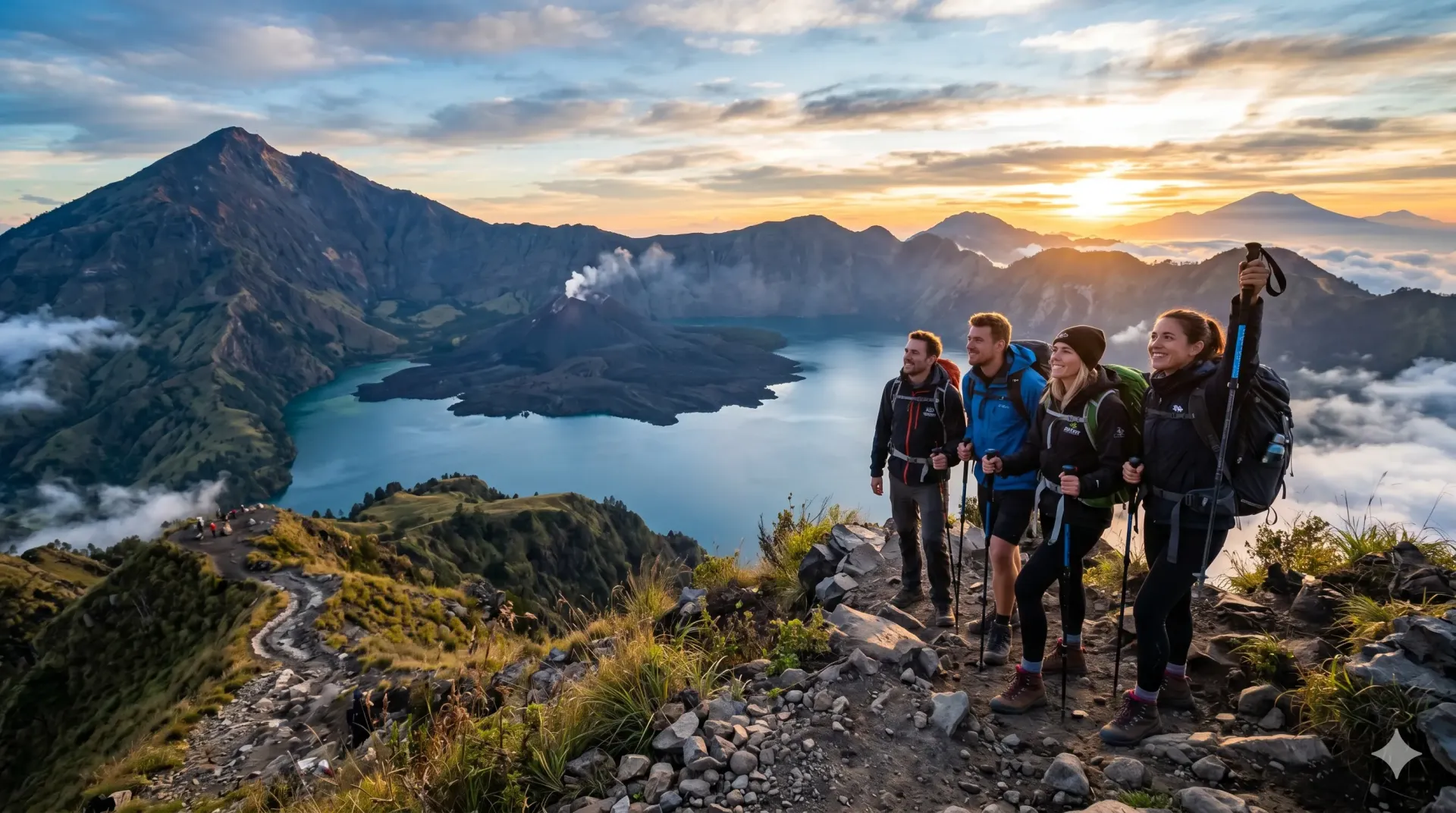
Mount Rinjani, a majestic stratovolcano on Lombok, Indonesia, stands at a breathtaking 3,726 meters above sea level. Its iconic crater lake, Segara Anak, and the summit offer unparalleled panoramic views, attracting trekkers from around the globe. However, with increasing popularity comes a growing responsibility to protect this pristine natural environment. Choosing an eco-friendly Rinjani trekking operator is not just a trend; it's a crucial step towards preserving the beauty and biodiversity of Rinjani National Park for future generations.
This guide will help you understand what makes a trekking operator truly eco-friendly and how to identify those committed to sustainable practices. We'll delve into the importance of responsible tourism on Rinjani and provide actionable tips for making an informed choice.
Why Eco-Friendly Trekking Matters on Rinjani
Rinjani National Park is a UNESCO Biosphere Reserve, home to diverse flora and fauna, including rare endemic species. The delicate ecosystem is vulnerable to the impact of human activity. Traditional trekking practices, unfortunately, have sometimes led to issues such as:
- Waste Management: Improper disposal of non-biodegradable waste, including plastic bottles, food wrappers, and batteries, pollutes trails and water sources.
- Trail Erosion: Overcrowding and poorly maintained trails can lead to soil erosion, damaging vegetation and habitats.
- Impact on Local Communities: Unsustainable tourism can strain local resources and fail to provide equitable benefits to the communities living around the park.
- Wildlife Disturbance: Feeding or disturbing wildlife can disrupt natural behaviors and ecosystems.
Eco-friendly operators are dedicated to mitigating these negative impacts. They prioritize conservation, ethical treatment of staff, and community engagement, ensuring that your adventure contributes positively to Rinjani.
What to Look for in an Eco-Friendly Rinjani Trekking Operator
Identifying a truly responsible operator requires a bit of research. Here are key indicators to consider:
1. Waste Management Policies
This is perhaps the most visible aspect of eco-friendly trekking. A responsible operator will have a clear and robust waste management plan. This includes:
- "Pack It In, Pack It Out" Policy: They actively encourage and enforce the principle of bringing all waste back down from the mountain.
- Reusable Water Bottles: Providing or encouraging the use of reusable water bottles and offering water refill stations.
- Biodegradable Products: Using biodegradable soaps and cleaning agents where possible.
- Proper Waste Segregation: Ensuring that collected waste is properly sorted for recycling or responsible disposal in designated areas.
Expert Tip: Ask potential operators directly about their waste disposal methods. A good operator will be transparent and proud of their practices.
2. Sustainable Trekking Practices
Beyond waste, eco-friendly operators promote responsible behavior on the trails:
- Trail Maintenance Contributions: Some operators contribute to or organize trail clean-ups and maintenance efforts.
- Respect for Nature: Educating guides and porters about respecting the environment, including not disturbing flora and fauna.
- Minimizing Footprint: Using designated campsites and avoiding off-trail exploration that can damage vegetation.
- Water Conservation: Promoting mindful water usage, especially at campsites.
3. Ethical Treatment of Staff (Porters and Guides)
A truly responsible operator values their human resources. Look for operators who:
- Fair Wages: Provide fair wages and working conditions for their porters and guides.
- Adequate Gear: Ensure their staff have appropriate and well-maintained gear, including warm clothing, sturdy shoes, and rain protection.
- Reasonable Load Limits: Adhere to sensible load limits for porters, preventing overexertion.
- Food and Accommodation: Provide nutritious food and safe accommodation for their staff during treks.
- Insurance: Offer insurance for their employees.
Ask: Inquire about how they support their trekking teams. Positive reviews often highlight the well-being of the porters and guides.
4. Community Engagement and Support
Sustainable tourism benefits the local economy. Eco-friendly operators often:
- Employ Local Staff: Prioritize hiring guides and porters from local villages.
- Support Local Businesses: Source food and supplies from local markets and suppliers.
- Community Projects: Some may invest in local community development projects, such as education or infrastructure improvements.
5. Certifications and Affiliations
While not always mandatory, look for operators who are part of or adhere to guidelines from reputable environmental or tourism organizations. This can be an indicator of their commitment to best practices.
Choosing Your Eco-Friendly Rinjani Trekking Operator: A Step-by-Step Approach
Here’s how to make your selection:
Step 1: Research Online
Start by searching for "eco-friendly Rinjani trekking operators" or "responsible Rinjani tours." Read reviews on travel forums, blogs, and booking platforms. Pay attention to comments about sustainability, waste management, and staff treatment.
Step 2: Visit Operator Websites
Examine their "About Us" or "Sustainability" pages. Do they clearly articulate their commitment to eco-friendly practices? Look for specific details about their policies and initiatives.
Step 3: Direct Communication
Don't hesitate to contact potential operators directly. Ask specific questions about:
- Their waste management plan.
- How they ensure the well-being of their porters and guides.
- Their approach to minimizing environmental impact on the trails.
- Their involvement with the local community.
The responsiveness and transparency of their answers will tell you a lot.
Step 4: Consider Trekking Packages
While price is a factor, be wary of extremely cheap packages. Sustainable practices often involve higher operational costs. A slightly higher price can reflect better treatment of staff and more responsible environmental management.
Popular Eco-Conscious Trekking Routes and Durations
Most Rinjani treks range from 2 to 4 days, with the most popular routes being:
- Senaru Route: Typically a 2-day/1-night trek to the crater rim or a 3-day/2-night trek to the summit. This is a popular choice for its accessibility.
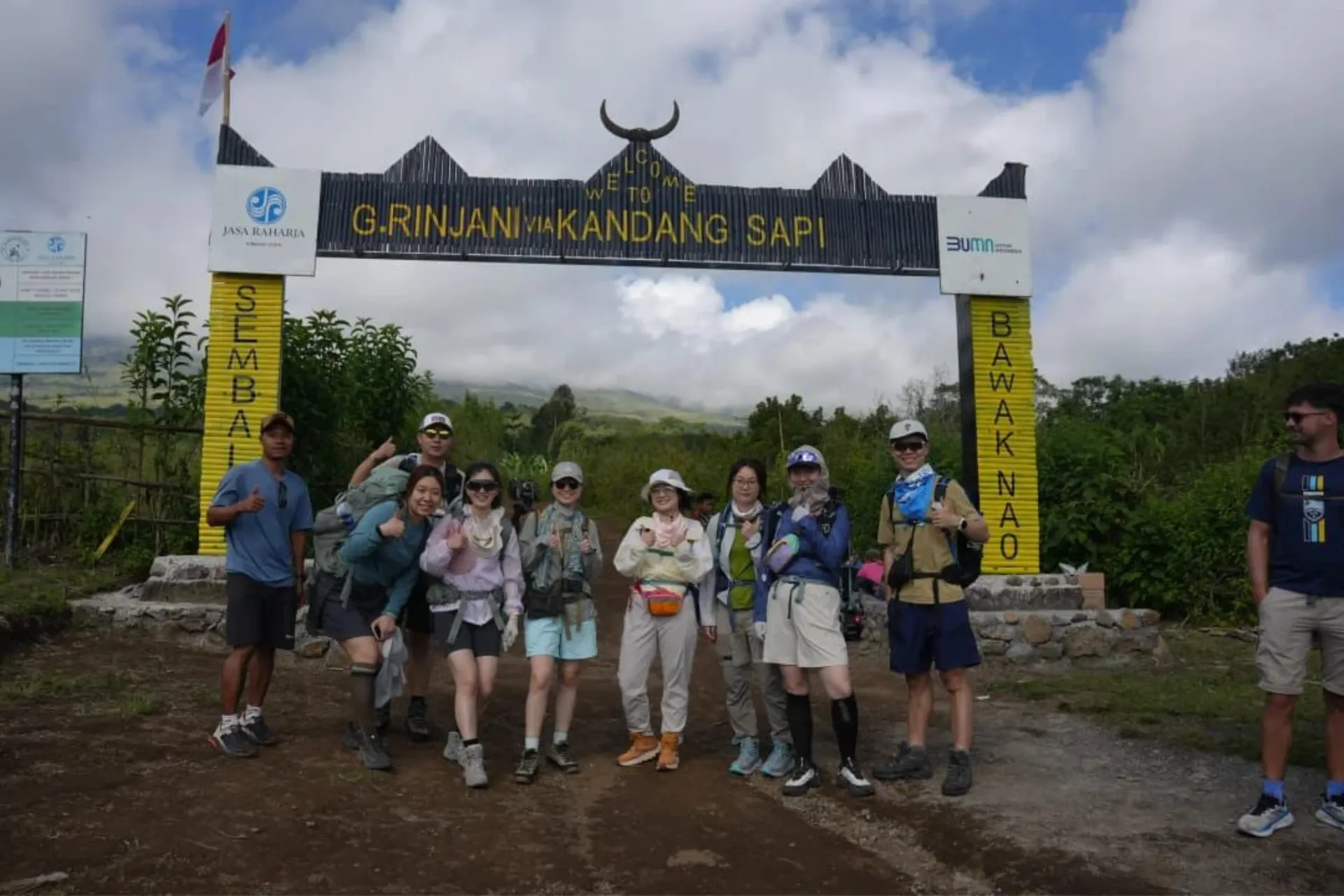
- Sembalun Route: Often a 3-day/2-night trek to the summit, offering a different perspective and a more challenging ascent.
- 3-Day/2-Night Summit Trek: A common itinerary for reaching the summit and Segara Anak lake.
- 4-Day/3-Night Trek: Allows for a more relaxed pace, more time at the summit and lake, and often includes exploring the hot springs.
Eco-friendly operators will ensure that even on these popular routes, their practices minimize impact.
Essential Gear for a Responsible Trek
While your operator will provide camping gear and food, you'll need to pack personal items responsibly:
- Reusable Water Bottle/Hydration Pack: Essential for reducing plastic waste.
- Headlamp with Extra Batteries: For navigating at night.
- Sunscreen and Insect Repellent: Opt for eco-friendly, biodegradable options.
- Personal First-Aid Kit.
- Biodegradable Toiletries.
- Appropriate Clothing: Layers are key for varying temperatures.
- Sturdy Hiking Boots.
Remember: Avoid single-use plastics as much as possible. Your operator should provide reusable containers for meals.
Best Time to Trek Rinjani
The best months to trek Mount Rinjani are generally from April to November. This period falls within the dry season, offering clearer skies and more stable weather conditions. Avoid the wet season (December to March) when trails can be slippery and dangerous.
Conclusion: Trek with Purpose
Trekking Mount Rinjani is an unforgettable experience, a journey into the heart of nature's grandeur. By making a conscious choice to support eco-friendly trekking operators, you become a part of the solution, helping to protect this invaluable natural heritage. Your adventure can be both exhilarating and ethical, leaving a positive footprint on Lombok and its magnificent volcano.
Ready to plan your responsible Rinjani adventure? Start by researching operators who share your commitment to sustainability and the environment. Happy trekking!